
Why Front Door Colour Matters: Kerb Appeal & Style
Back to Colour HubWhen you order a Hurst front door, you can choose from an incredible range of well over 1,600 colours to really let your personality and style shine through.
That’s a lot more than the standard 16 or so colours that most composite doors come in.
So why is that so important?
Well, firstly, it’s because you have more choice to find the perfect shade for you and your house. But there’s more to it than that, too. The style and colour of your front door is a really important part of the first impression people form of your house.
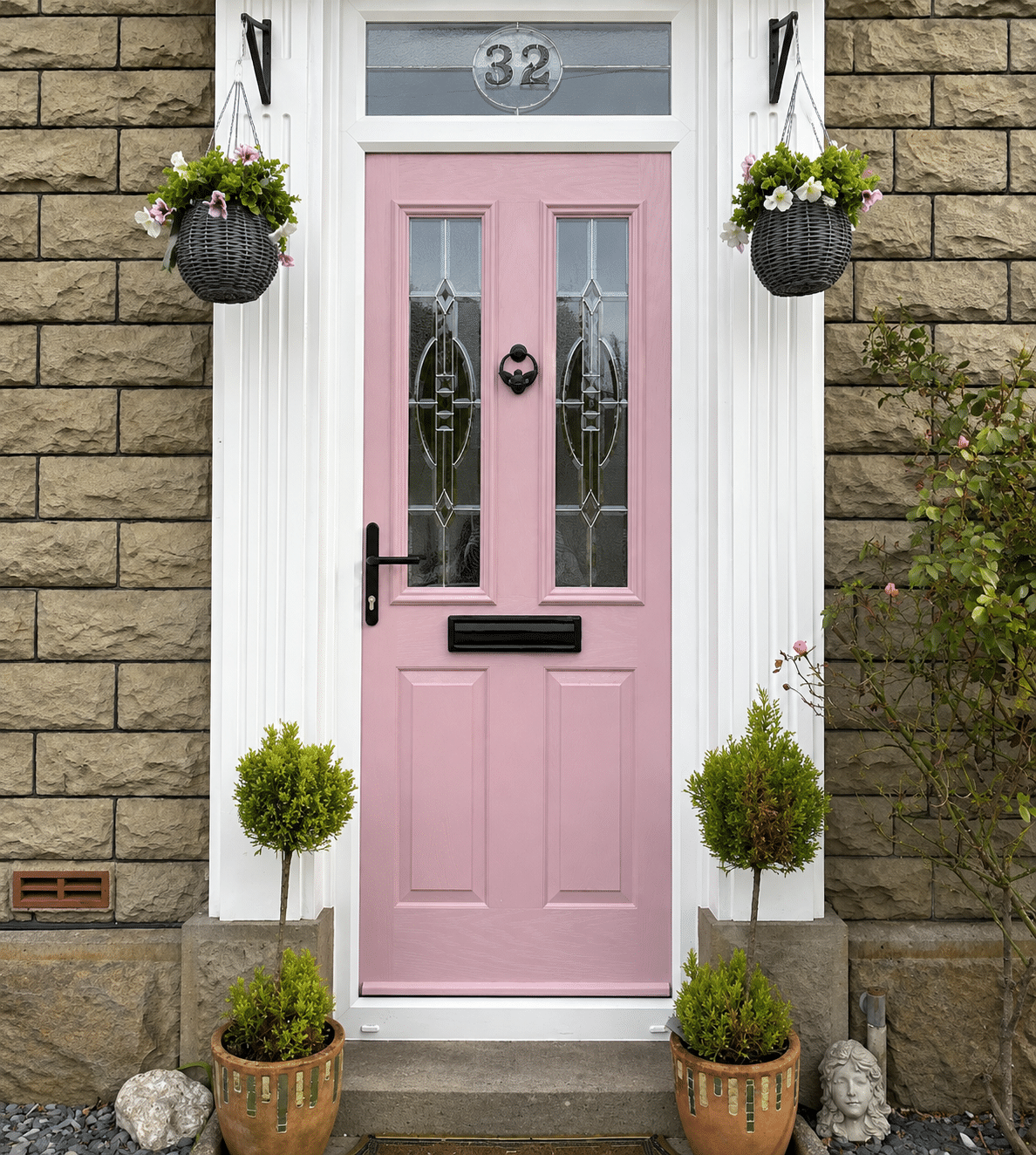
Timeless or trendy?
Half the fun of redecorating a room is checking out what’s on-trend with interior design styles right now. But picking the colour for your front door is a longer-term decision. Because a front door should last for decades, not years.
So it’s worth thinking about what will work for your front door both right now and in the future. What will match your house? What does a colour say about you? How does it make you feel?
Current trends are a great source of inspiration but remember you don’t have to follow them – and they won’t last forever. Plus, a colour that looks great on social media, or in a door showroom, might not suit your house.
Of course, if you prefer something that won’t date, classic colours like black, white, red, grey, blue and green are a safe bet. They’re easy to pair with different property styles and tend to have long-lasting appeal.
But that doesn’t mean you have to play it safe with the same green or blue as everyone else. With Hurst’s choice of over 1,600 colours you can pick something that’s close to the standard colours – but different enough that you’ll still stand out.
That’s the real magic of having so many shades to choose from. You can pick something super-bright and out-there if you want – or you can go for something more subdued, but still unique.
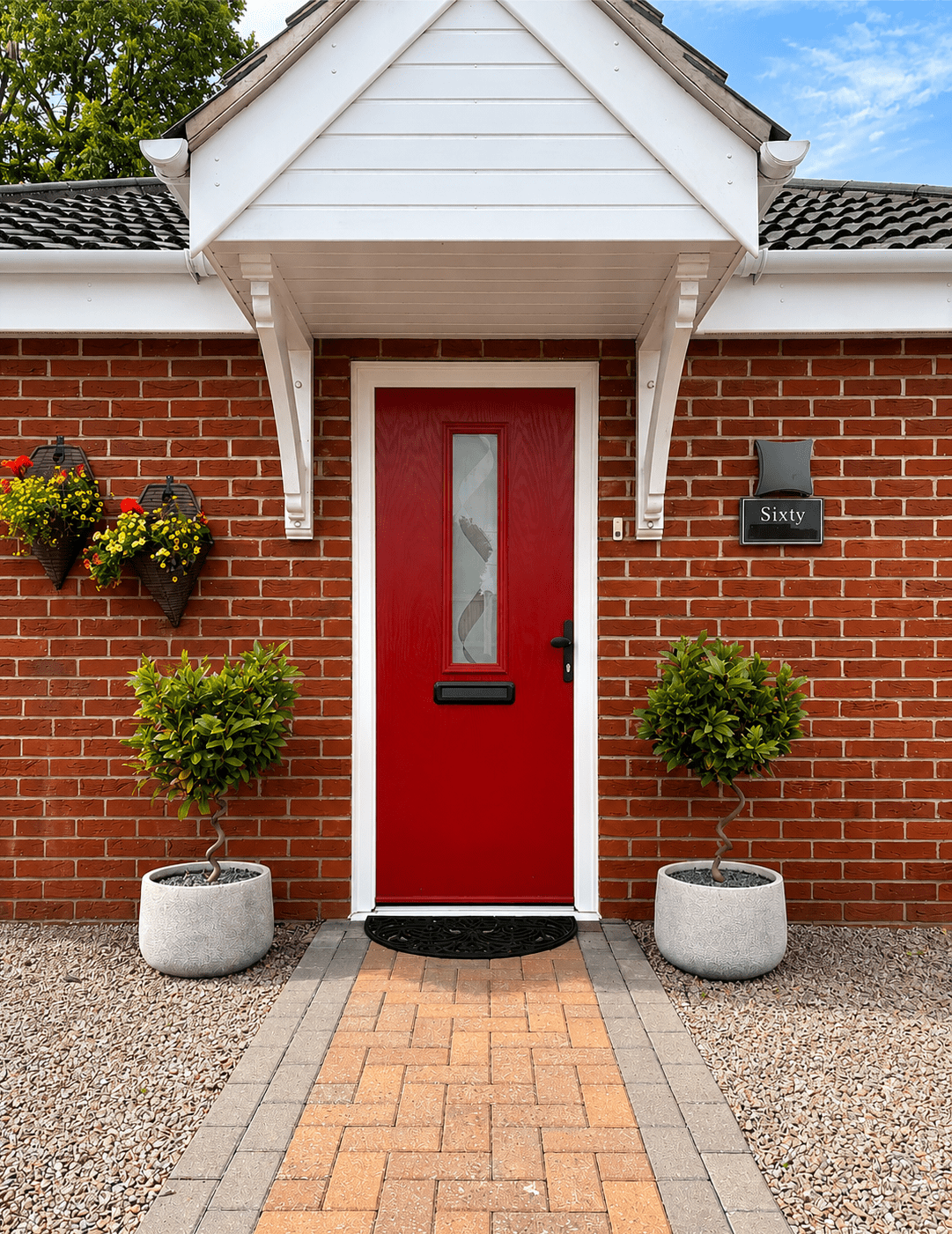
Does door colour affect house value?
If you’re thinking of selling your house – or you might want to sell it in the future – it’s worth considering what effect the colour of your front door might have on the sale price. So does it make a difference?
Well… Maybe. But it’s complicated.
In different areas, the houses with the highest sale value have different colour doors. But there’s just not enough data to say that getting a front door in a particular colour will help your house sell faster, or for a higher price.
What we can say for sure is that a good quality, well-finished front door will absolutely make your house more attractive to potential buyers, especially if it complements your house style.
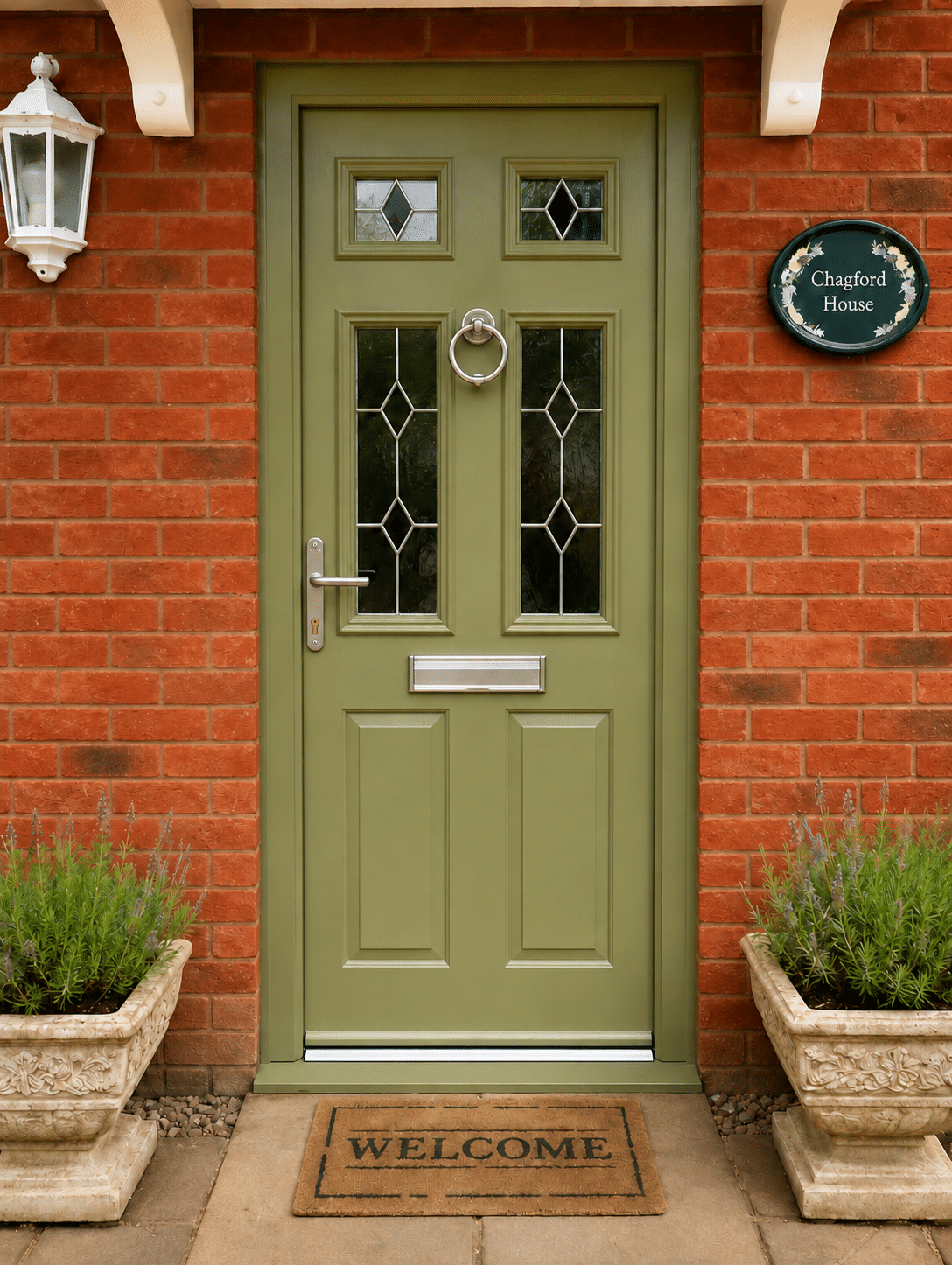
Give your house extra kerb appeal
Kerb appeal is the ‘wow factor’ people get when they arrive at your house, or see its picture on an estate agent website. It’s that warm, fuzzy feeling you get when you arrive home and see how great it looks.
It makes a big difference when you sell your house, too.
In a 2021 survey by Evolution Money, 93% of people said they’d pass judgment on a home just by how it looks from the outside. 30% would be happy to pay an extra £5,000 for a home with great kerb appeal.
In another survey by the HomeOwners Alliance, 52% of people said that a ‘well-maintained and attractive front door’ was important to them. This wasn’t the highest (that was windows in good condition) but it’s still significant.
So it’s definitely something worth considering when you’re upgrading your door.
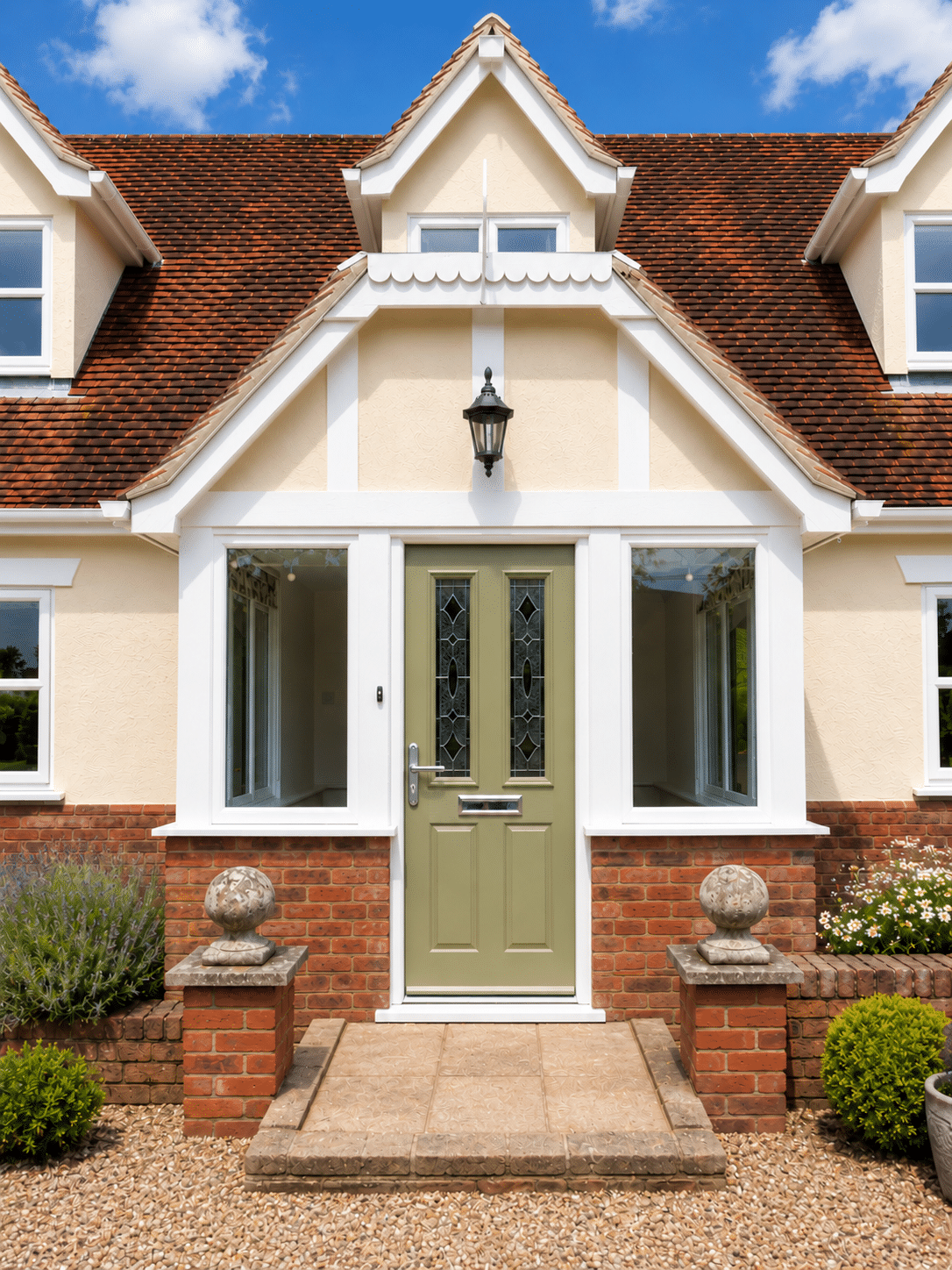
Match the property, not the moment
One way to make sure your new door is boosting your kerb appeal is to match its colour – and its style – to your house.
You’ll need to take into account the style and age of your home, but also think about things like the brick and roof colour, what sort of windows you have, and even what other houses on the street look like.
You don’t have to stick to a set of rules about what colour you can have, but understanding what works well together will help you make an informed decision.
How does colour make you feel?
There’s a huge amount of theory and research into how different colours make you feel. Much more than we can go into here. And it’s worth noting that different cultures attach different meanings to colours, too.
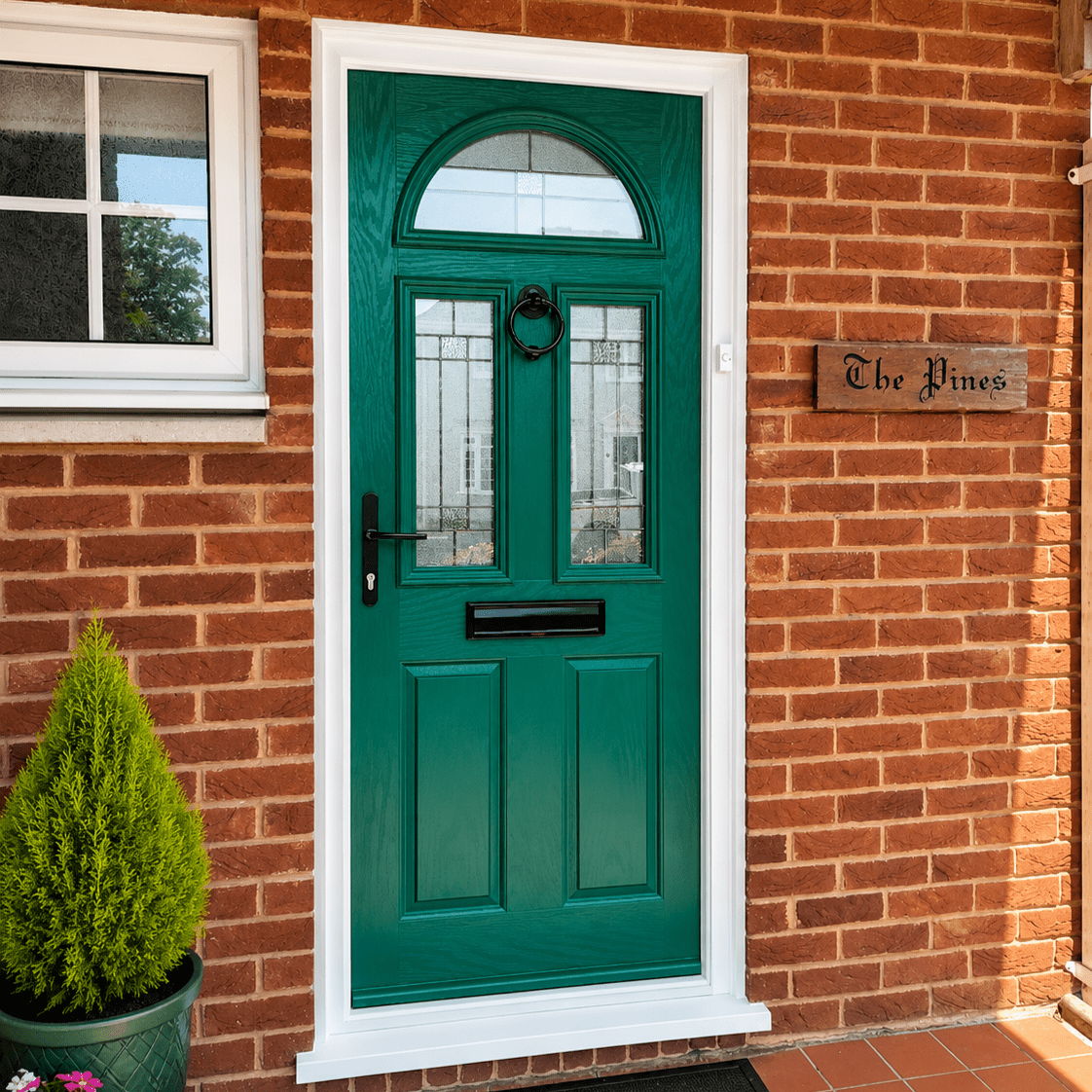
Green is tied to nature and growth, and new beginnings. It’s also the most relaxing colour for the human eye to see.
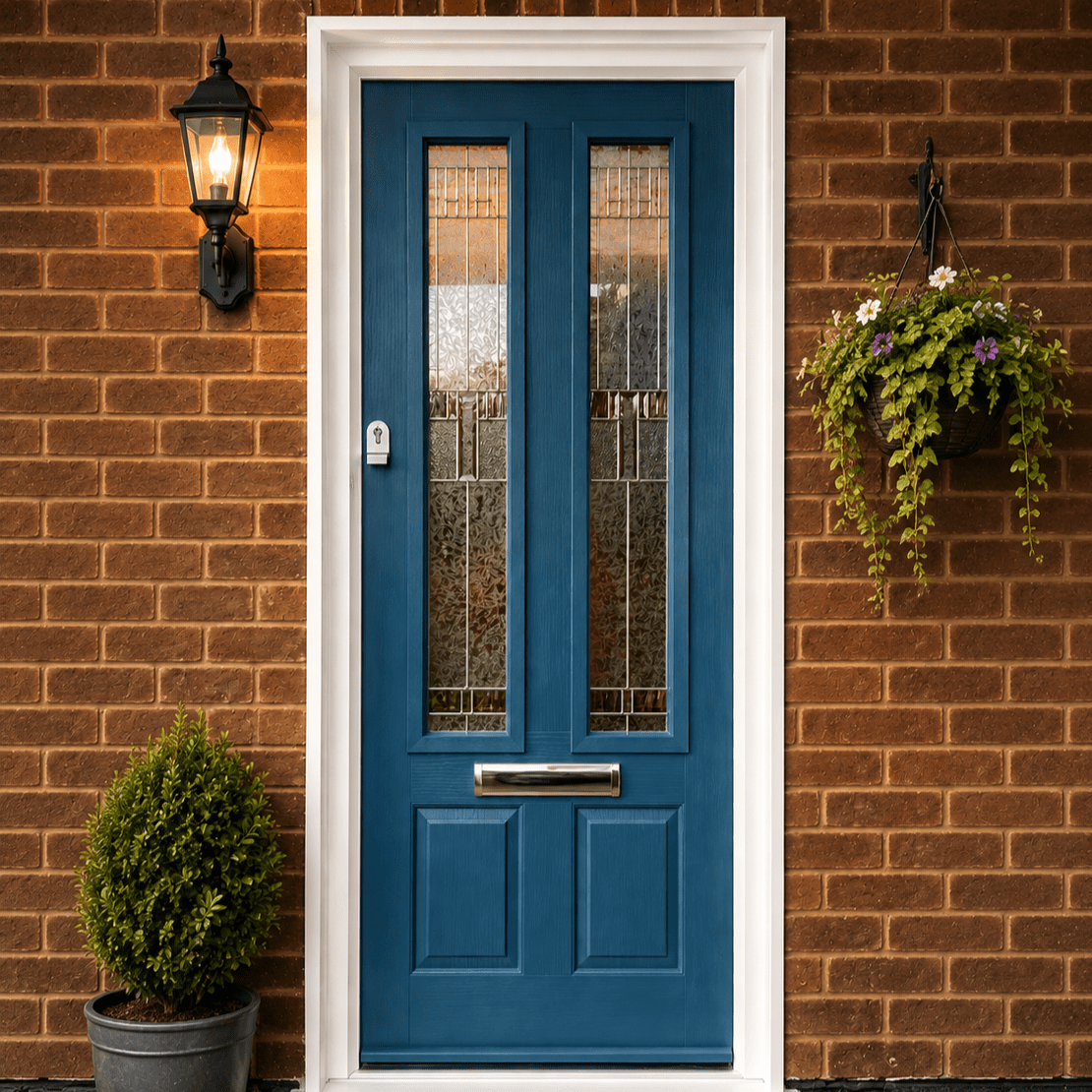
Blue is calm. It’s associated with trust, loyalty and stability. It’s reliable and soothing.
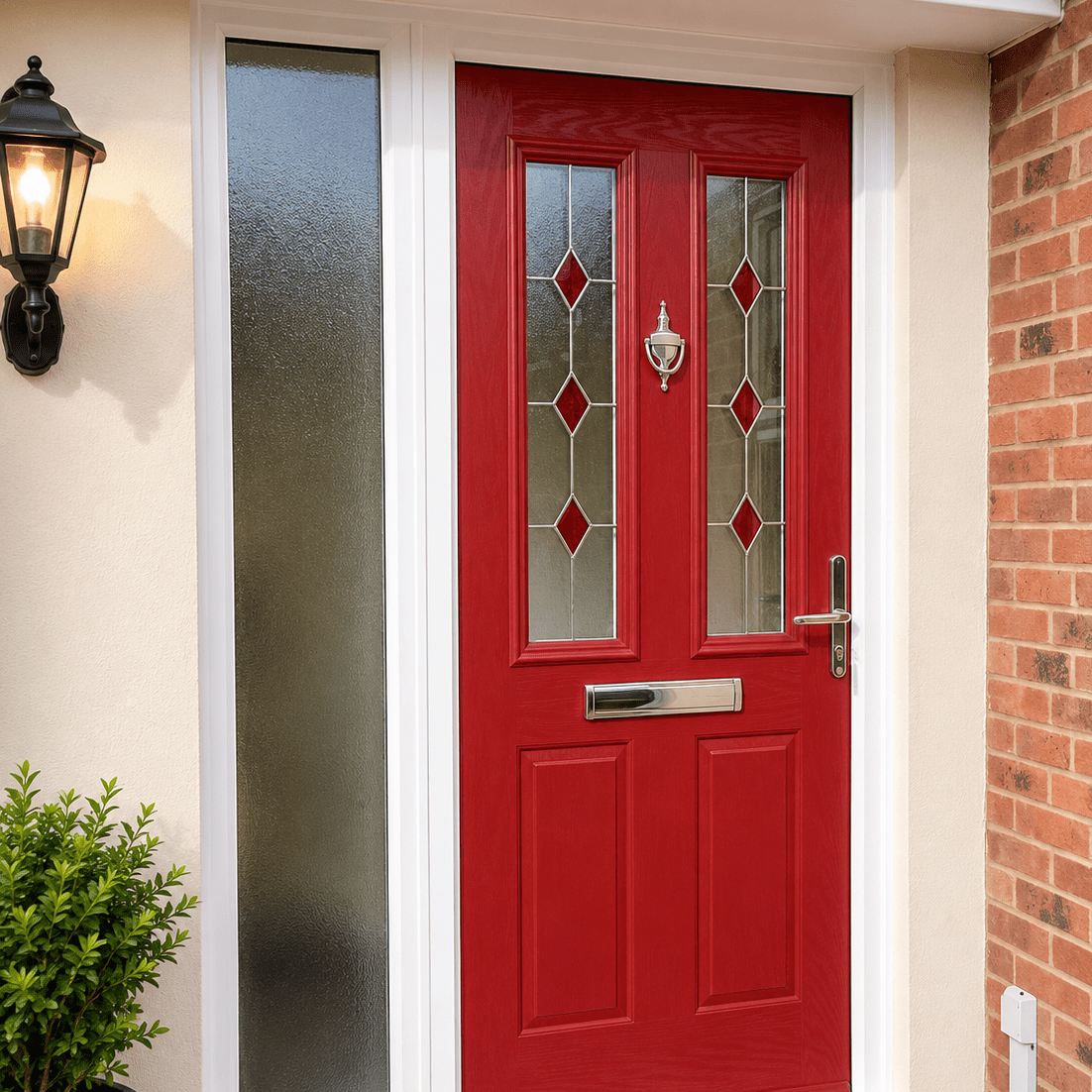
Red is associated with intensity, passion and energy. It demands attention, which is why we use it for stop signs and warnings, and to symbolise both danger and excitement. It can even raise people’s heart rates.
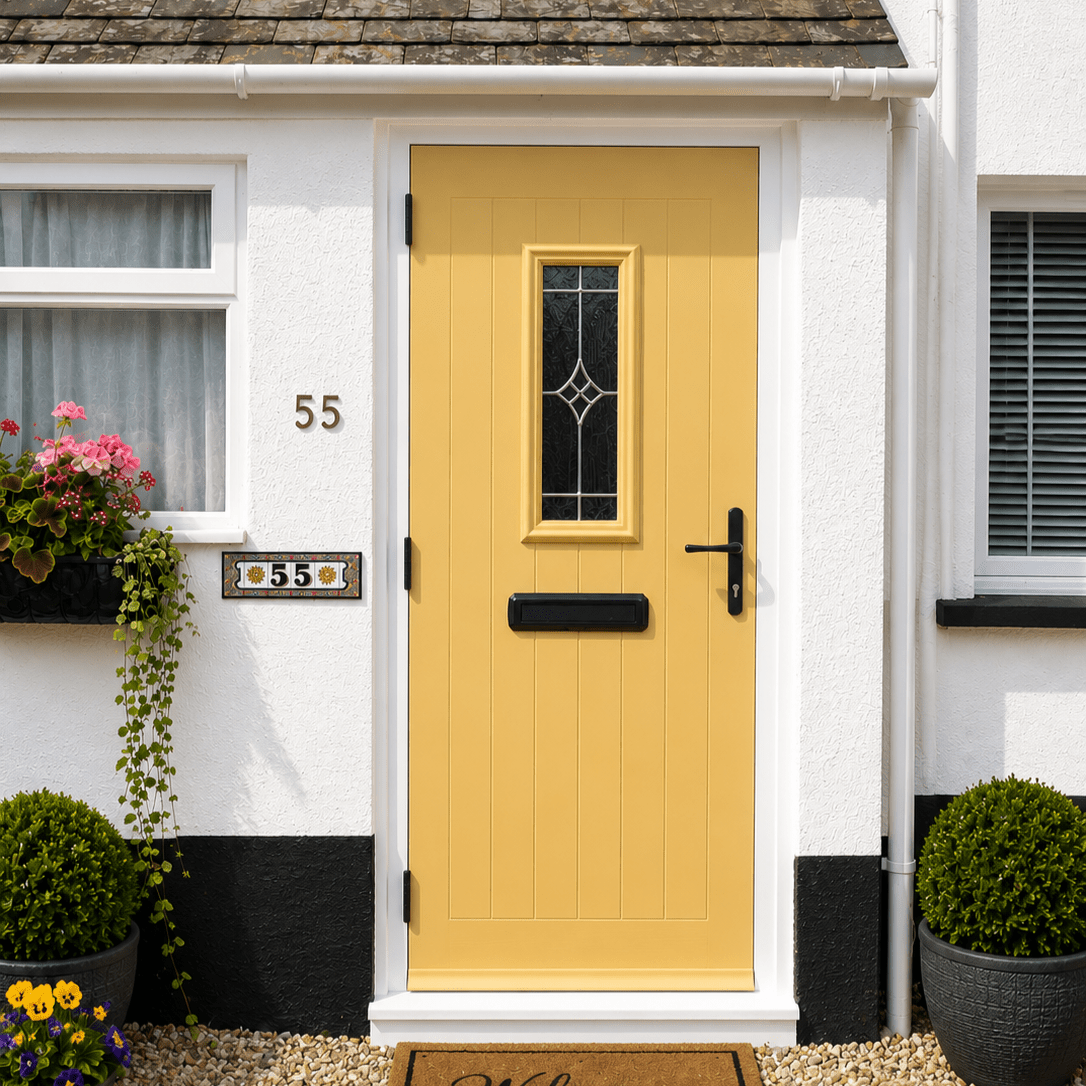
Yellow is all about joy, energy and optimism. It’s the colour of happiness and hope, through its association with the sun and sunlight.
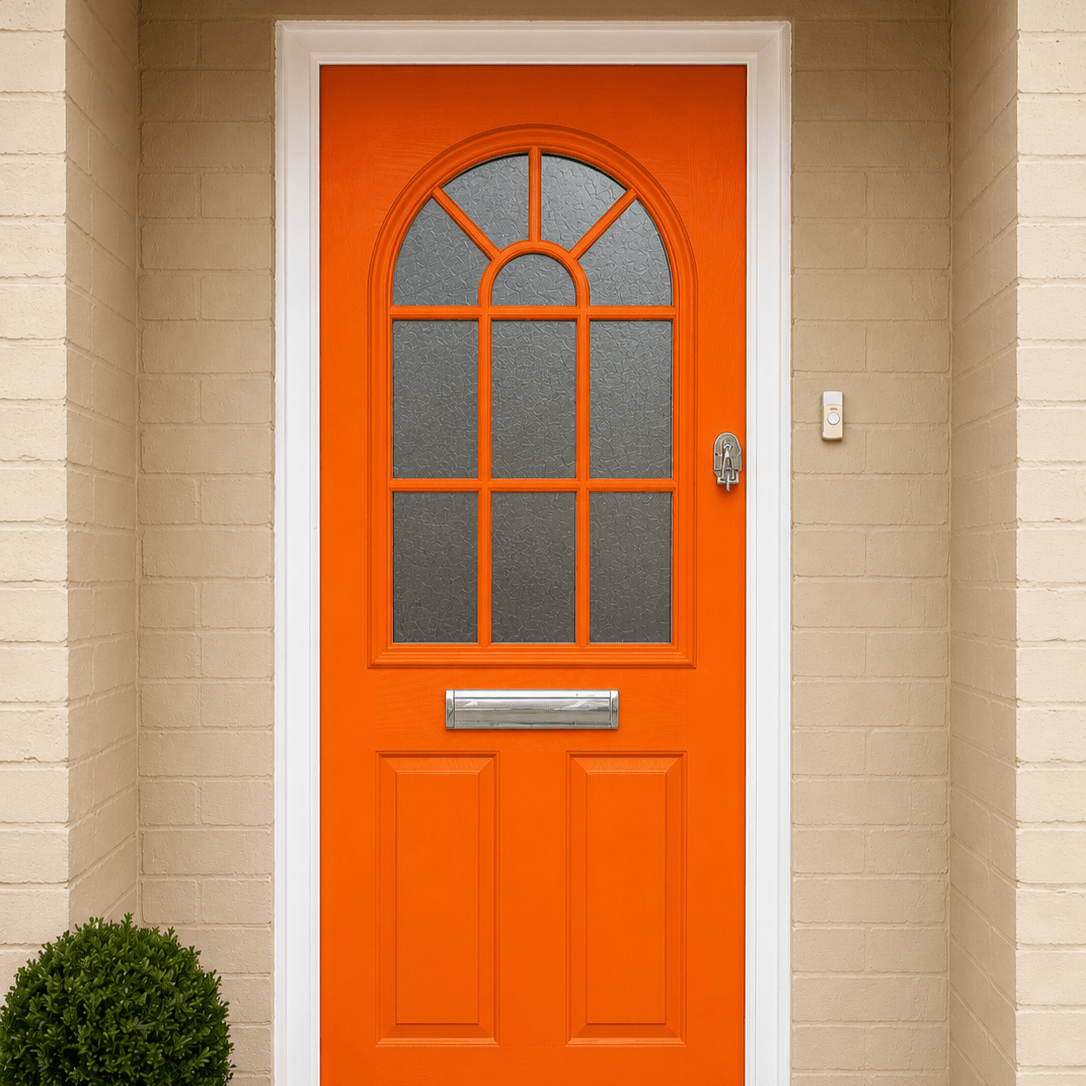
Orange is a vibrant, extroverted colour. It suggests playfulness, warmth and vitality. The energy of red with the joy of yellow.
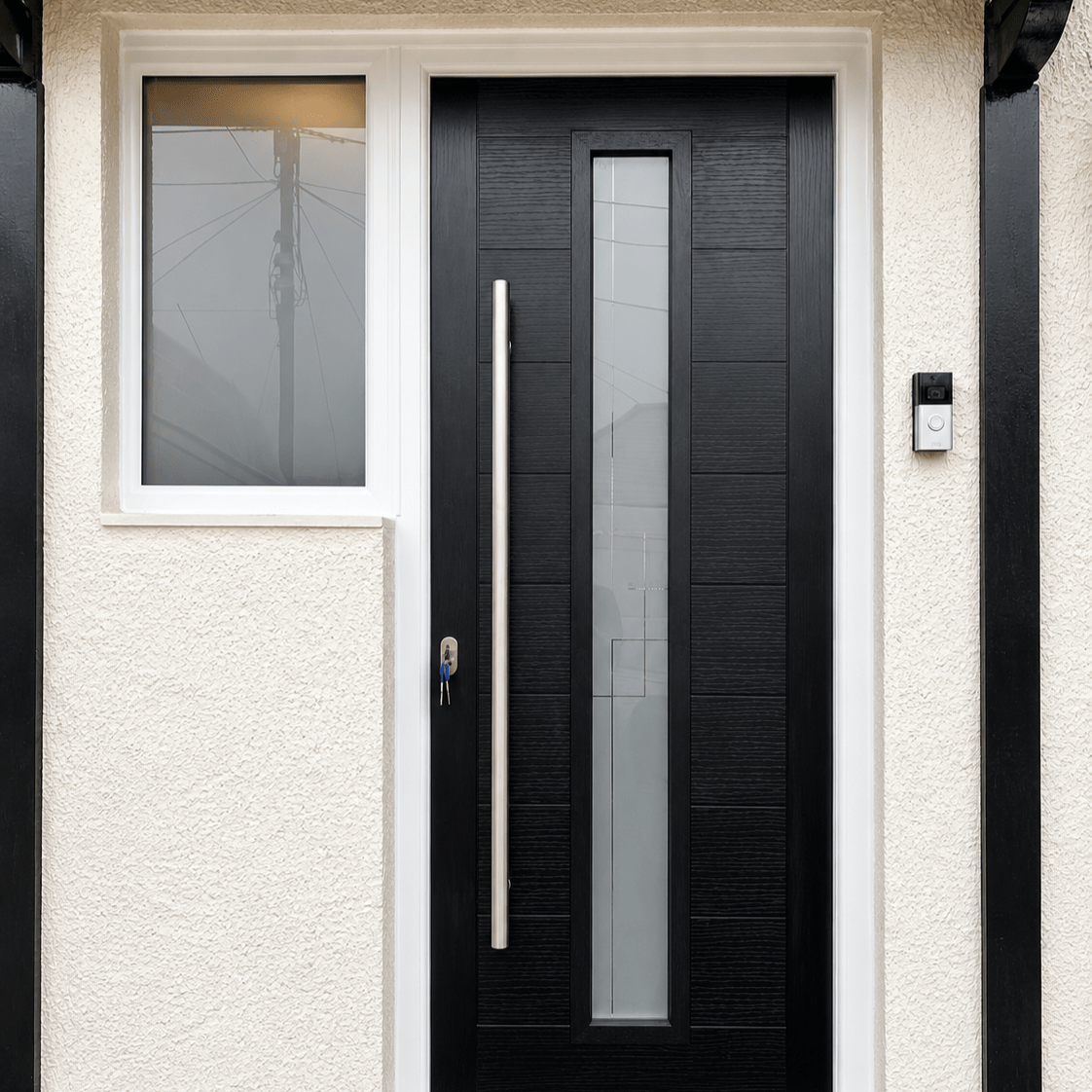
Black is often associated with formality and luxury, but also with sadness. It symbolises power, elegance and mystery.
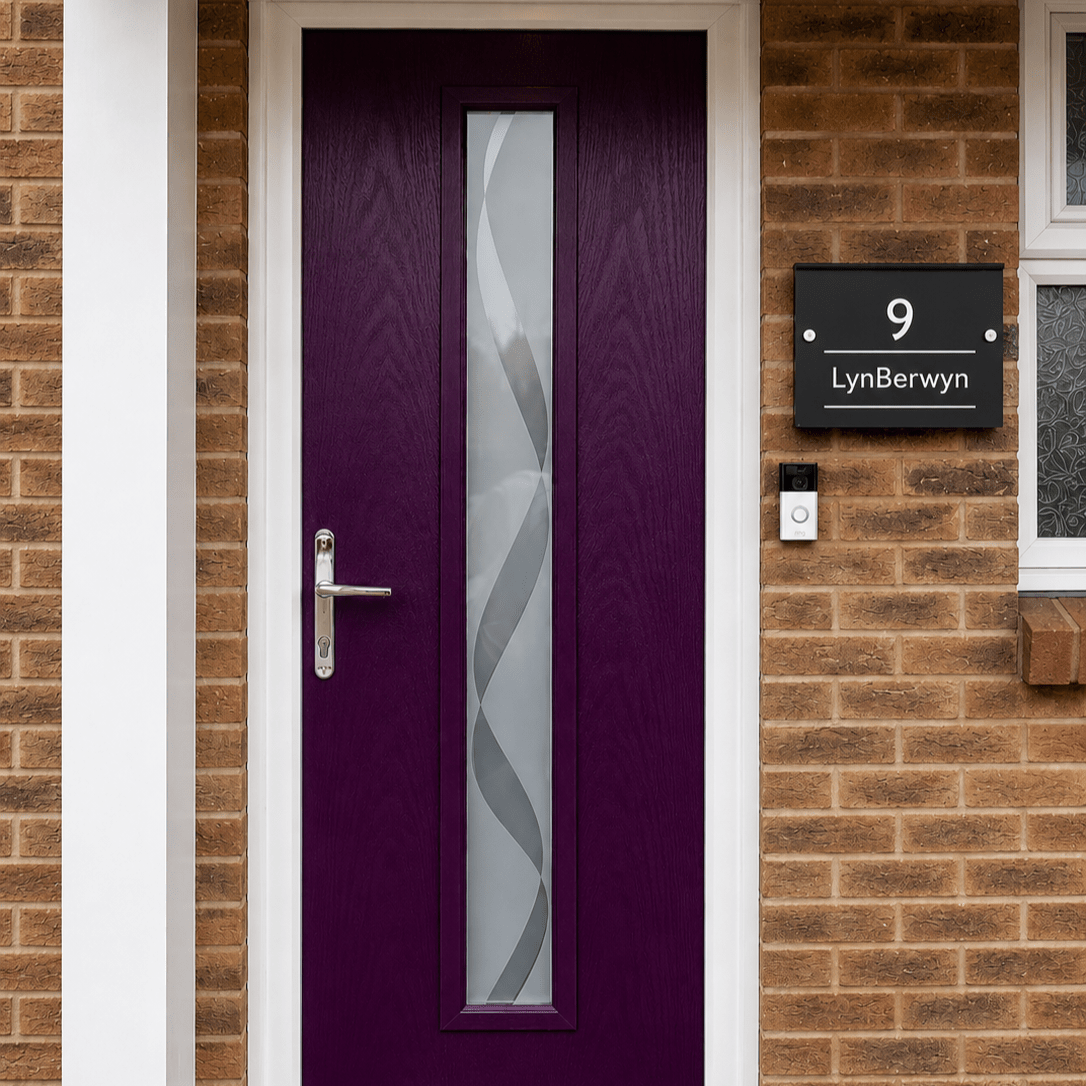
Purple suggests opulence, wealth and luxury. It’s often associated with royalty. It inspires feelings of creativity, mystery and elegance.
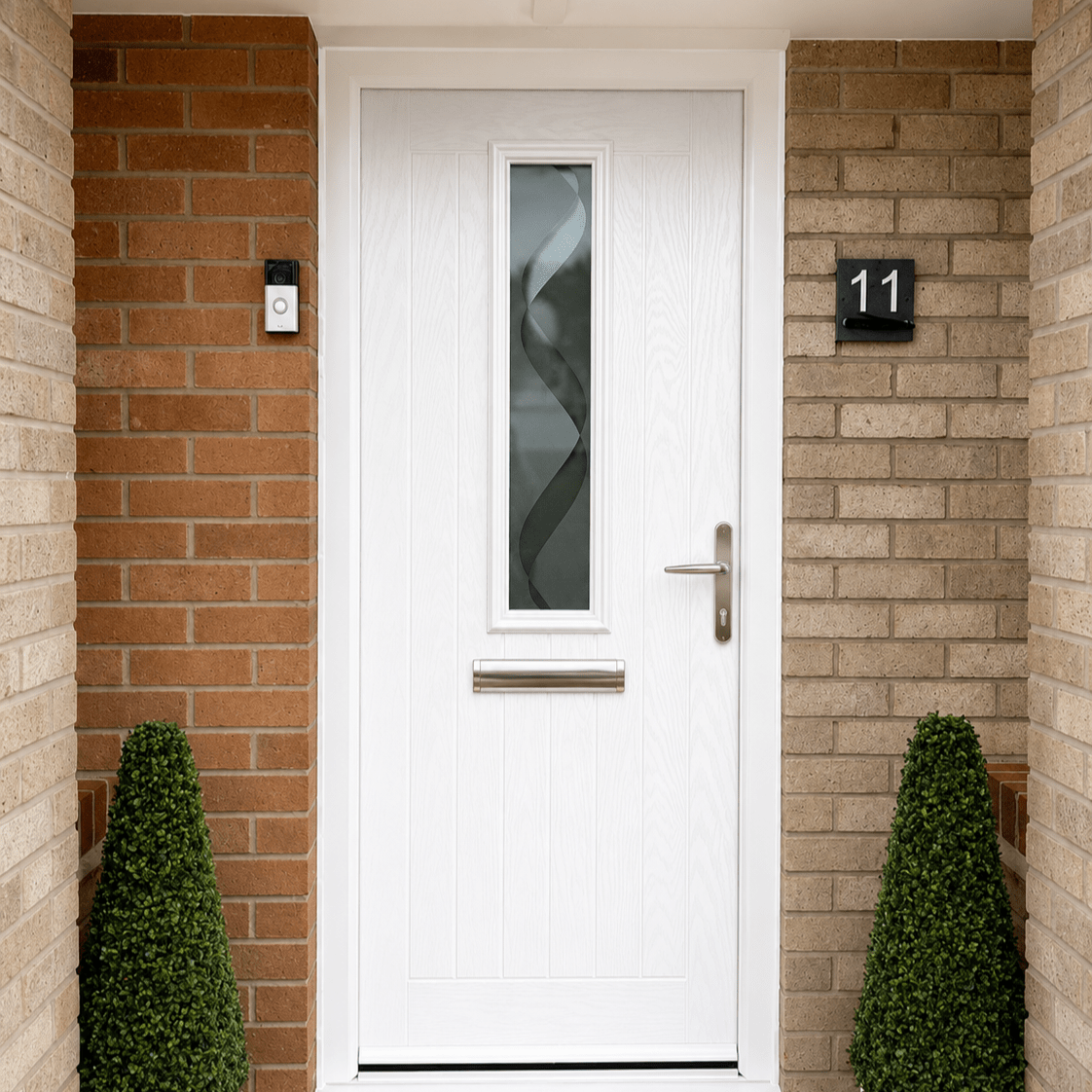
White is purity, cleanliness, virtue and simplicity. In Western culture it’s linked to peace and new beginnings; in the East, it’s often linked to mourning.
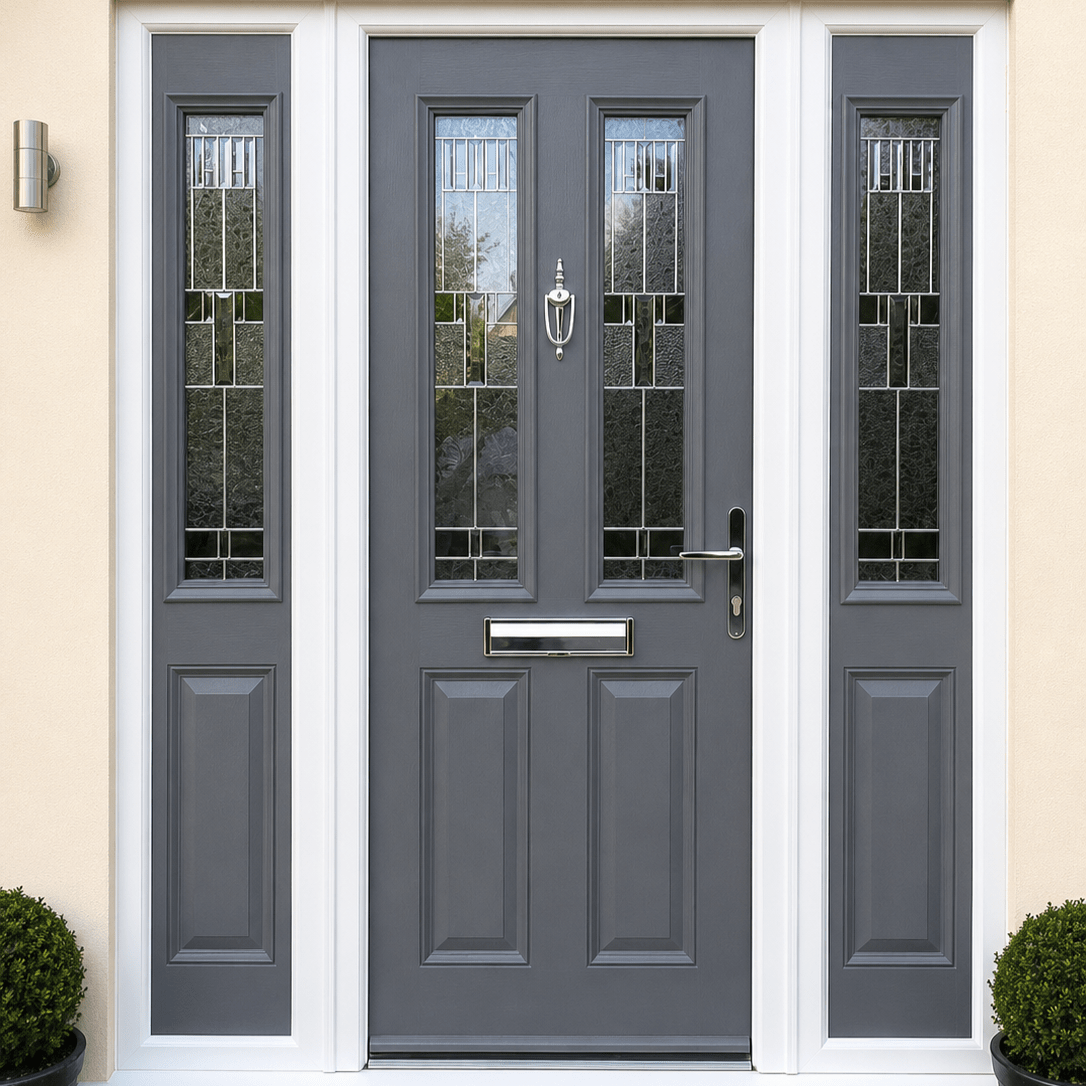
Grey suggests composure, intellect and sophistication. It represents neutrality and balance.
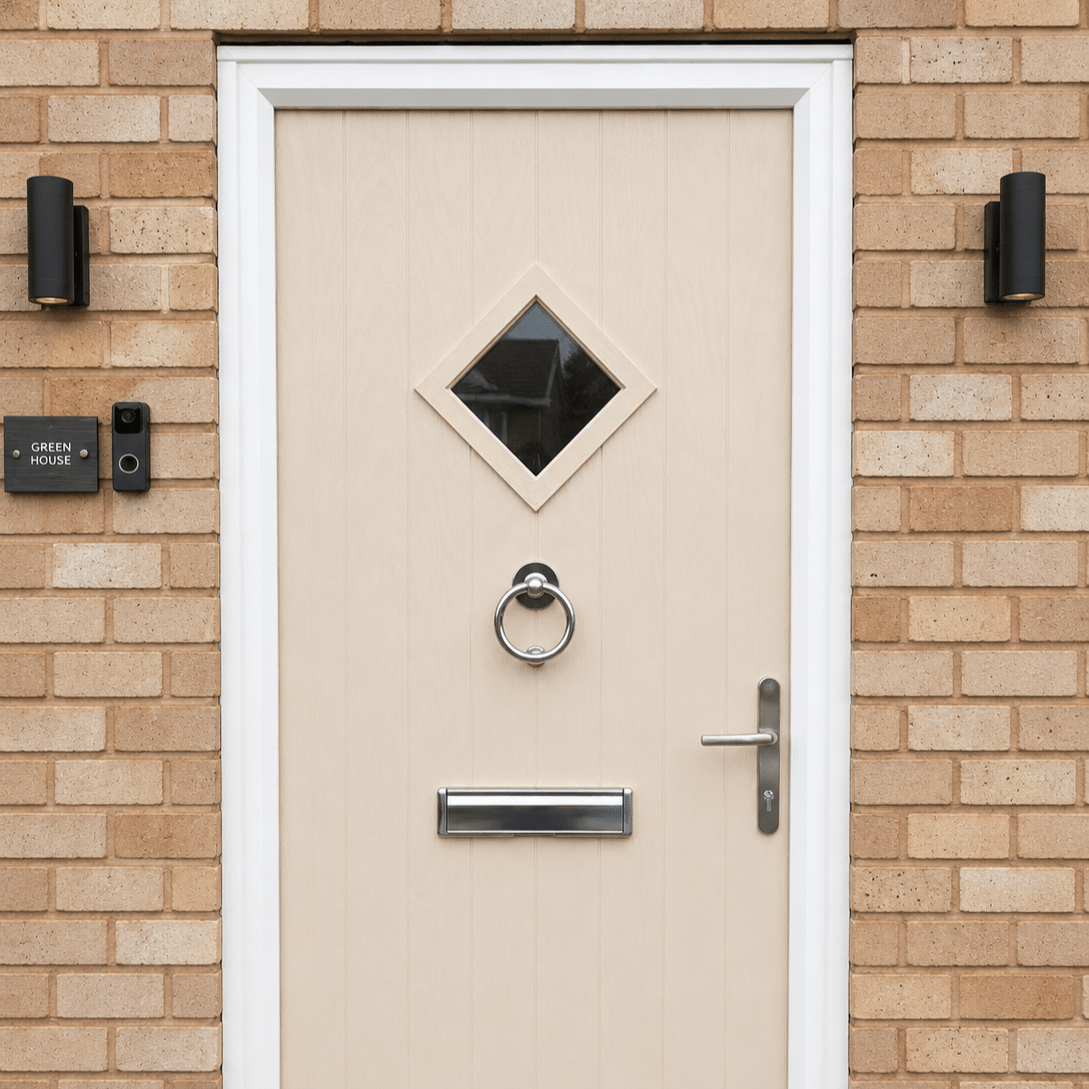
Cream evokes comfort, cosiness and approachable elegance. It’s often associated with purity, softness and history. It’s like the clean feel of white, but without the clinical starkness.
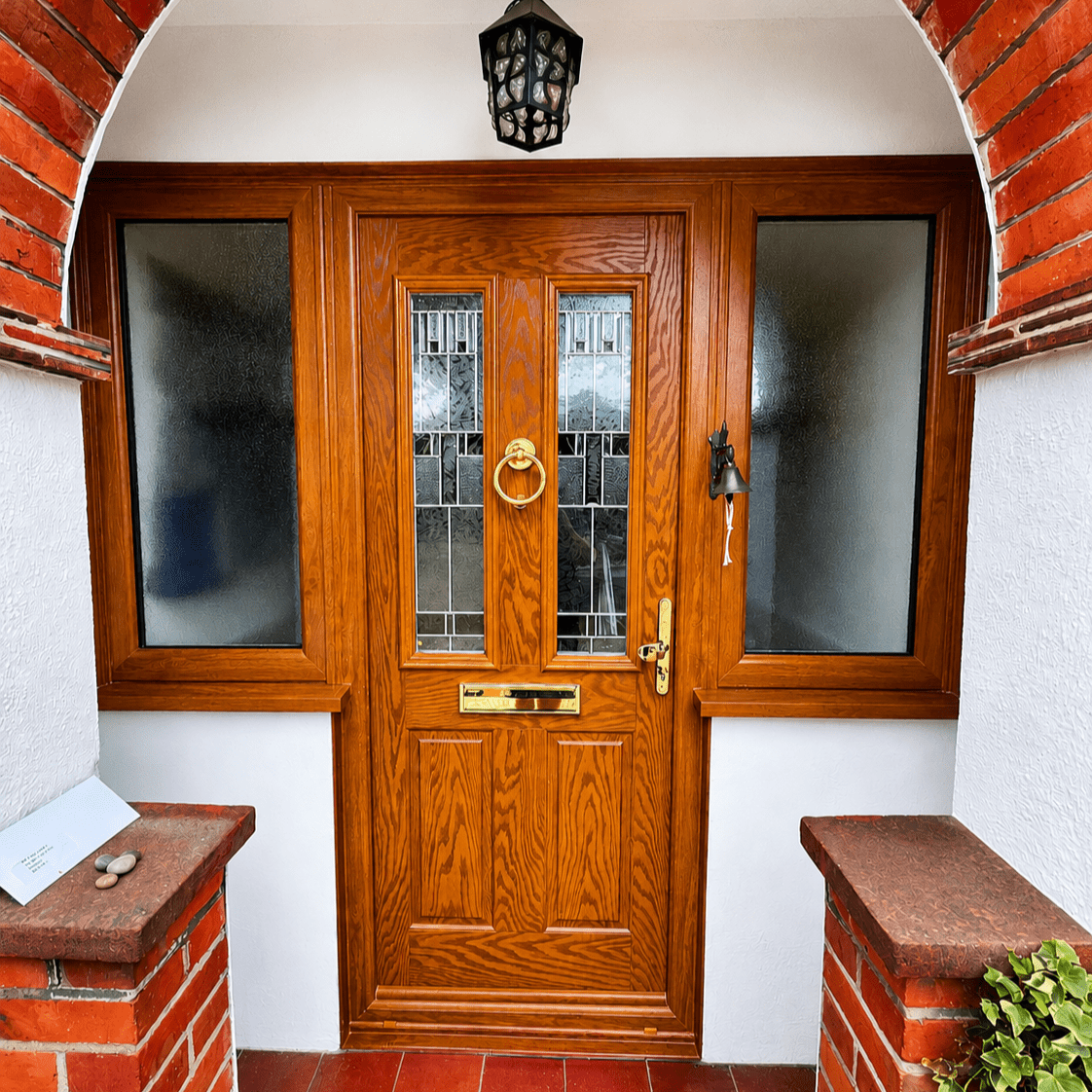
Brown is associated with warmth. It’s grounded and dependable. It’s also associated with nature, wood and earth. Dark browns are traditional and solid, while lighter ones are softer and more relaxed.
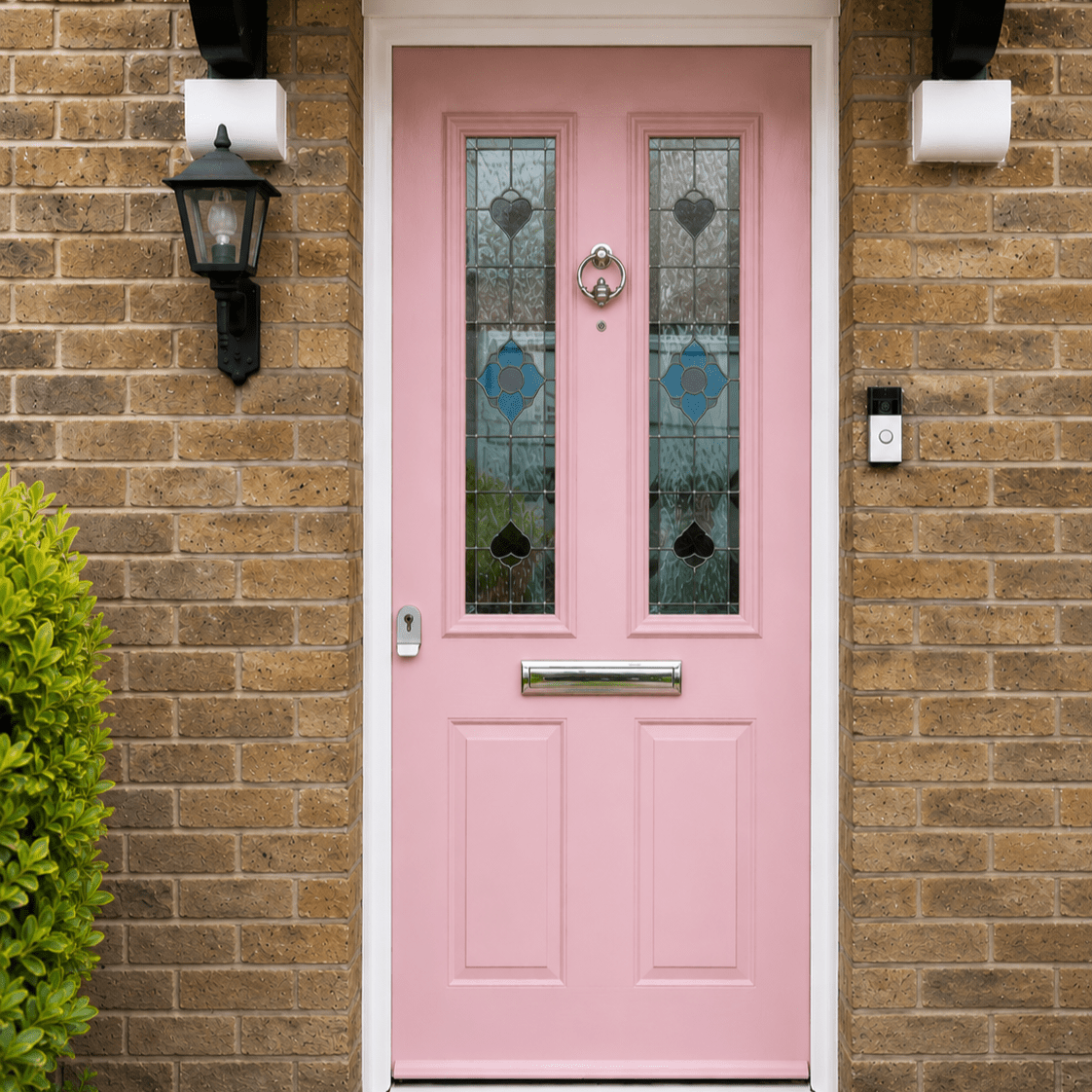
Pink is warm, playful and reassuring. Softer shades feel calm and comforting while brighter pinks bring energy and confidence.
Over 1,600 door colours mean one perfect colour for you
What Hurst’s massive range of over 1,600 door colours really means to you is that you can have exactly the colour front door you want.
Maybe that’s a classic white or black door. Maybe it’s pink, or yellow, or mauve. Maybe it’s a Chartwell Green. But whatever it is, you’ve chosen it because you love it. You don’t have to compromise.
Of course, the downside of having over 1,600 colours to choose from is that you have a lot of choice. But we’re here to help you there, too. We can help you understand how to choose the right colour door for you and your house. We can help you match your house style to complementary door colours.

