
Decorative vs Minimalist Glazing in uPVC Doors: Which Suits Your Home Best?
Choosing a new uPVC front door isn’t only about its colour or material, as glazing plays a surprisingly big role in how your entrance looks and feels.
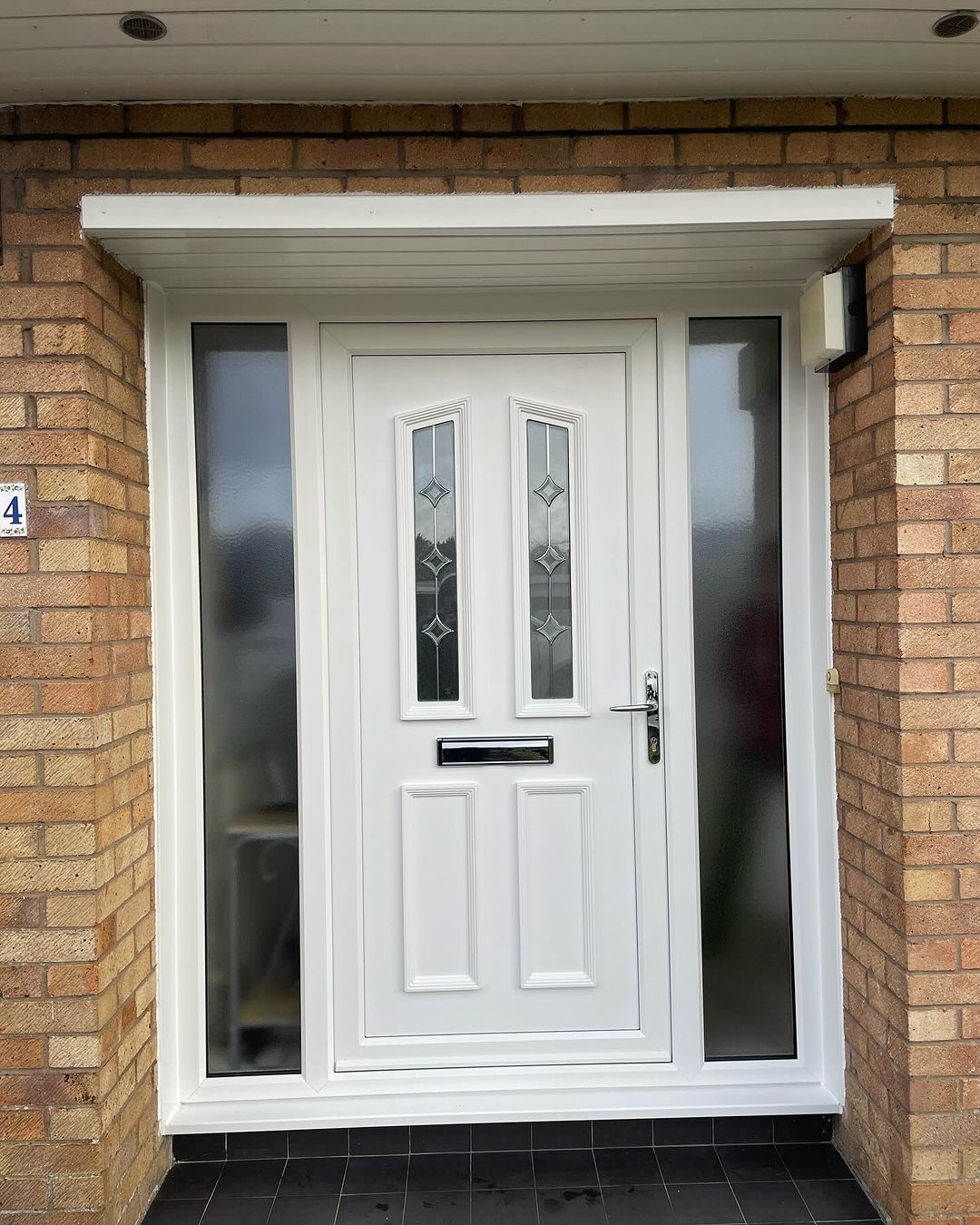
Many homeowners find this is an important decision. A uPVC door may look perfect in a showroom or brochure, but once installed at home the amount of light, privacy and visual detail can feel very different.
The most common question is simple: Should you choose decorative glazing or minimalist glazing?
The right answer depends less on trends and more on your type of property, location and personal preferences. This guide will help you decide which option suits your home best.
Why Glazing Matters More Than You Think
The front door is often the main source of natural light into a hallway. In many UK homes – especially terraces and semi-detached properties – the entrance hall doesn’t have windows, so the glazing you choose for your door can directly affect how bright the interior feels.
Glazing can also provide kerb appeal. Two identical doors in the same colour can look completely different depending on the style of glazing chosen.
Glazing can influence:
- The brightness inside your home
- Privacy from the street
- The perceived size of the entrance
- Whether the property looks traditional or modern
Because of this, it’s worth thinking about natural light as much as appearance.
What is Minimalist Glazing for a uPVC Door?
Minimalist glazing refers to simple, understated glass designs, characterised by clean lines and a restrained use of detail. These typically include:
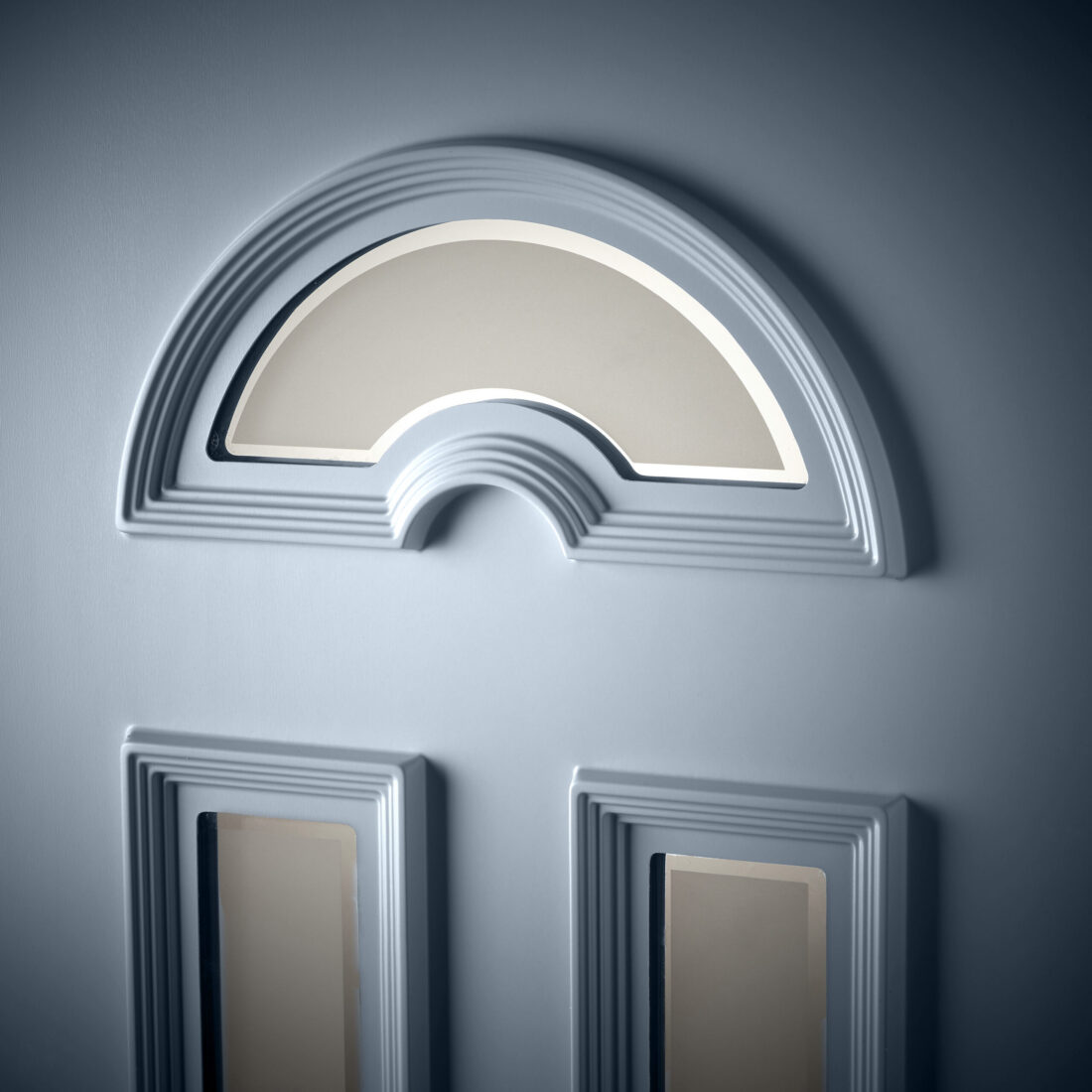
- Clear or lightly obscured glass – such as Hurst’s Minster or Stippolyte
- Frosted or sandblasted finishes – such as Alpine or Eminence
- Linear or geometric patterns – such as the Harmony Verona
- Subtle zinc or brass detailing – such as Platinum Trio Diamond
These designs offer varying levels of privacy. Even at higher levels of obscurity, they still allow plenty of natural light into the home.
Minimalist glazing is often ideal if your property already has strong architectural features. Newer homes, rendered brickwork and modern extensions tend to suit minimalist glass designs particularly well.
It also works well when:
- Your entrance is sheltered
- The door sits back from the pavement
- You want a contemporary appearance
- You prefer a cleaner exterior
Minimalist glazing can make a hallway feel brighter and more open, particularly if the area currently feels enclosed.
Adding Privacy and Light with Minimalist Glass
A common worry is that minimalist glass means less privacy, but this isn’t always the case.
Many minimalist designs use obscured or sandblasted glass. These allow daylight to enter while preventing visibility from outside. From indoors, the hallway appears bright; from outside, your home’s privacy is not compromised.
If your home faces a quiet street or has a front garden, minimalist glazing can provide a balanced combination of openness and privacy.
What is Decorative Glazing?
Decorative glazing includes patterned, coloured or leaded designs that become a feature of the door itself.
These designs may incorporate:
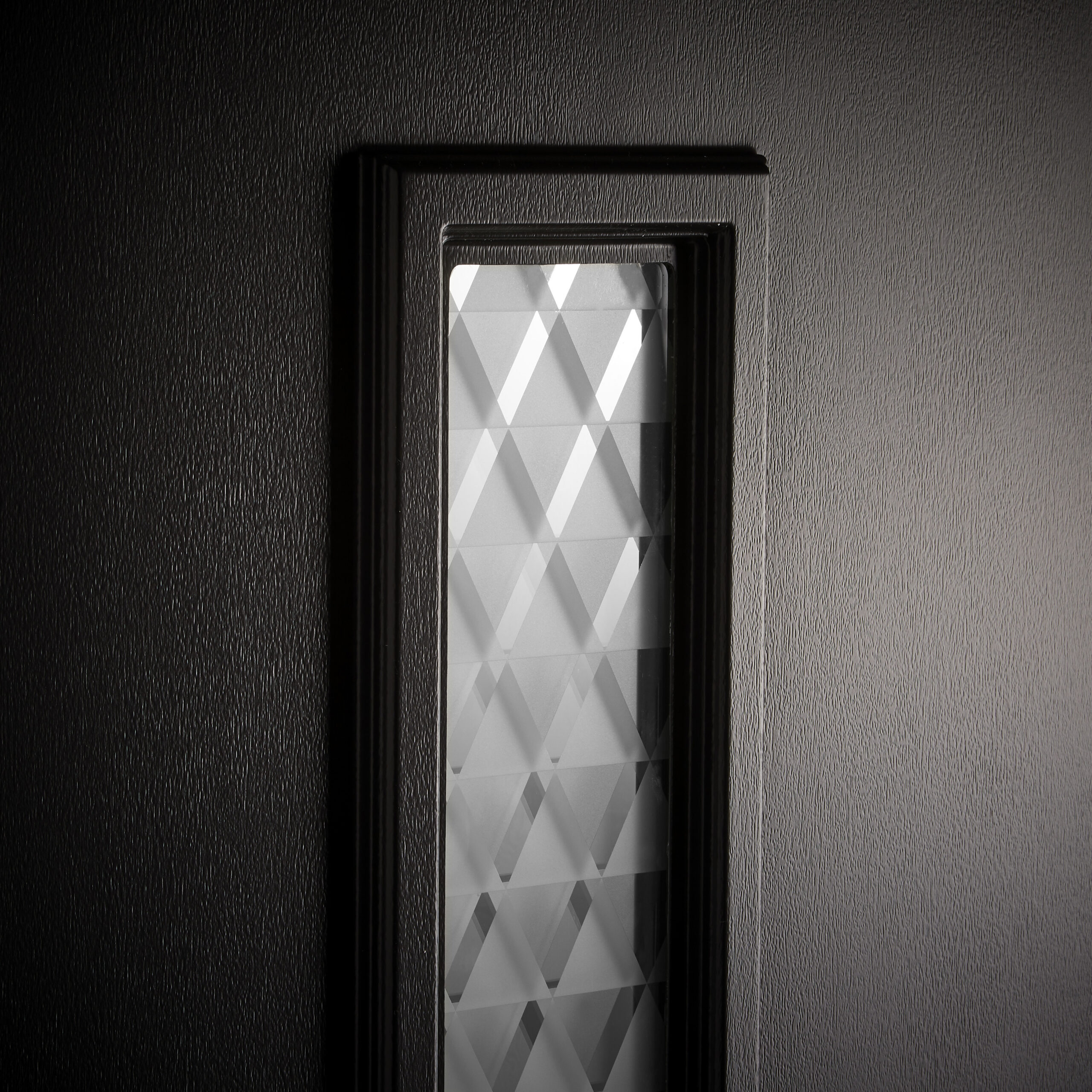 Bevelled glass – as seen in Hurst’s Fused Jewel range
- Coloured elements – such as Hurst’s Resin range
- Geometric detailing – Such as the Harmony Hive
- Mirrored effects
- Traditional leaded styles
Instead of blending into the background, decorative glazing becomes part of the property’s character.
When Decorative Glazing is the Better Choice
Decorative glazing tends to suit homes where character and kerb appeal are important. Traditional properties, bay-fronted houses and older terraces often benefit from additional detailing at the entrance.
It’s especially useful if:
- Your door faces directly onto the pavement
- You want stronger privacy
- The frontage feels plain
- The hallway needs light but not visibility
Because the patterns break up sightlines, decorative glass often provides more privacy than homeowners expect.
Privacy Levels: A Key Difference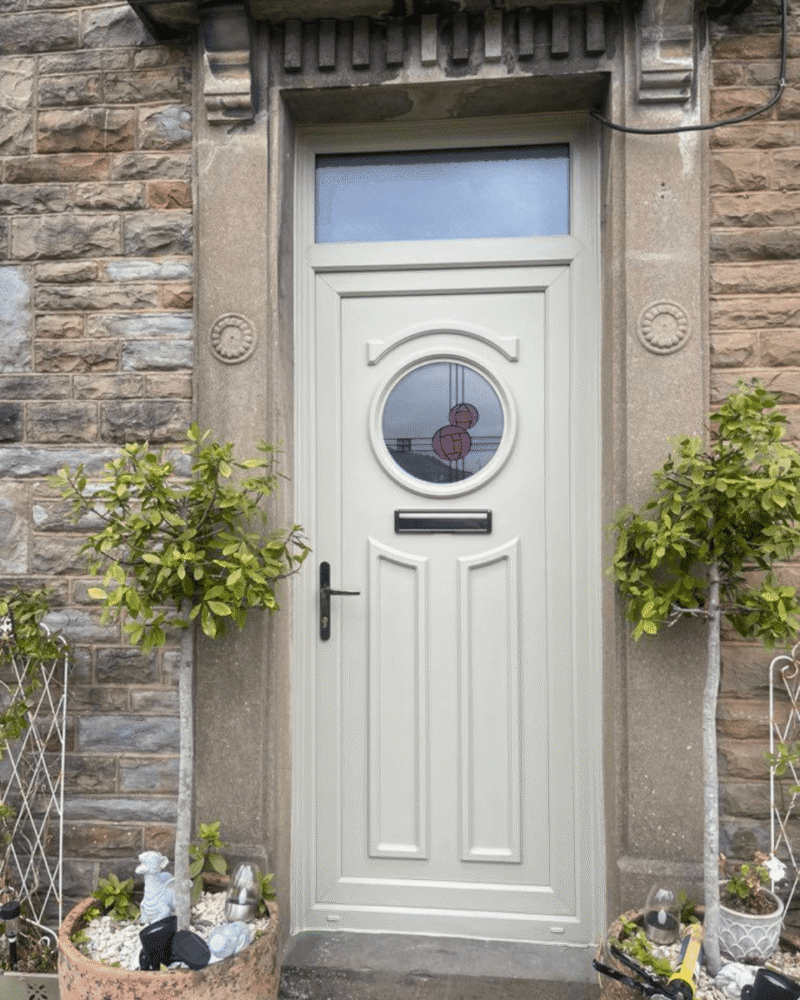
One of the biggest practical differences between the two styles is how they handle privacy.
Decorative Glass Designs
- Distorts vision
- Prevents clear views indoors
- Ideal for busy roads or pavements
Minimalist Glass Designs
- Brighter appearance
- Cleaner look
- Better for recessed entrances
Matching Glazing to Property Style
Choosing the right glazing is often about matching the architecture of the home.
Traditional Homes
Older properties typically suit patterned or leaded designs. The extra detail complements brickwork, bay windows and period features.
Modern Homes
New builds and contemporary renovations usually work best with minimalist, understated glazing designs. Clean lines reinforce a modern aesthetic.
Renovated Homes
In these cases, a lightly decorative design – such as subtle geometric patterns, such as the glass designs featured in Hurst’s Harmony Collection – can bridge traditional and modern elements.
Double Glazing, Triple Glazing and Energy Efficiency
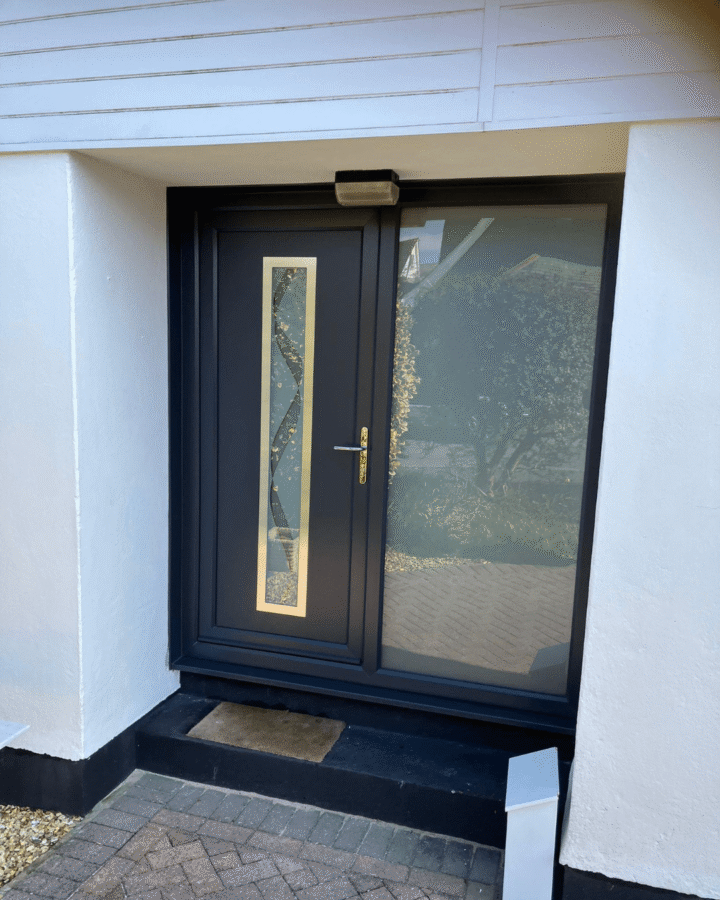
It’s easy to assume that more glass means more heat loss, but modern glazing is designed to improve insulation, not reduce it.
Triple glazing uses an additional pane of glass to create a third insulating layer. This can improve thermal performance and help reduce external noise, making it a consideration for homes in busier locations.
Double glazing remains the most widely specified option for uPVC front doors, offering a strong balance between performance, cost and practicality.
A double glazed unit consists of two panes of glass separated by an insulating gap, helping to retain heat, reduce everyday external noise and maintain a comfortable indoor temperature.
For many homes, particularly in quieter residential areas, double glazing provides more than sufficient insulation. It also supports a wide range of glazing designs without compromising efficiency.
Both options are designed to improve energy performance. The right choice will depend on the property’s location and the level of insulation or noise reduction required.
Final Thoughts
Glazing isn’t just a finishing touch for a uPVC door, it defines how your entrance functions every day.
Decorative designs add character, privacy and a traditional feel, while minimalist glazing offers brightness and a clean, modern look. The right choice depends on your home, surroundings and personal preference.
By thinking about how your entrance is used rather than only how it looks, you can choose a uPVC door glazing style that improves both kerb appeal and everyday comfort.
To explore uPVC door styles, glazing options, and colours and hardware options in more detail, download our free uPVC door brochure. Or, you can find your local installer to discuss your new uPVC door.
