
Will a Composite Door Make My Home Warmer?
Published: 18th September 2025
Upgrading your front door can transform the look of your property, but it can also have an impact on how warm it feels inside. Composite doors are designed with energy efficiency in mind, making them a smart choice for homeowners looking to improve insulation, reduce heat loss and increase overall comfort.
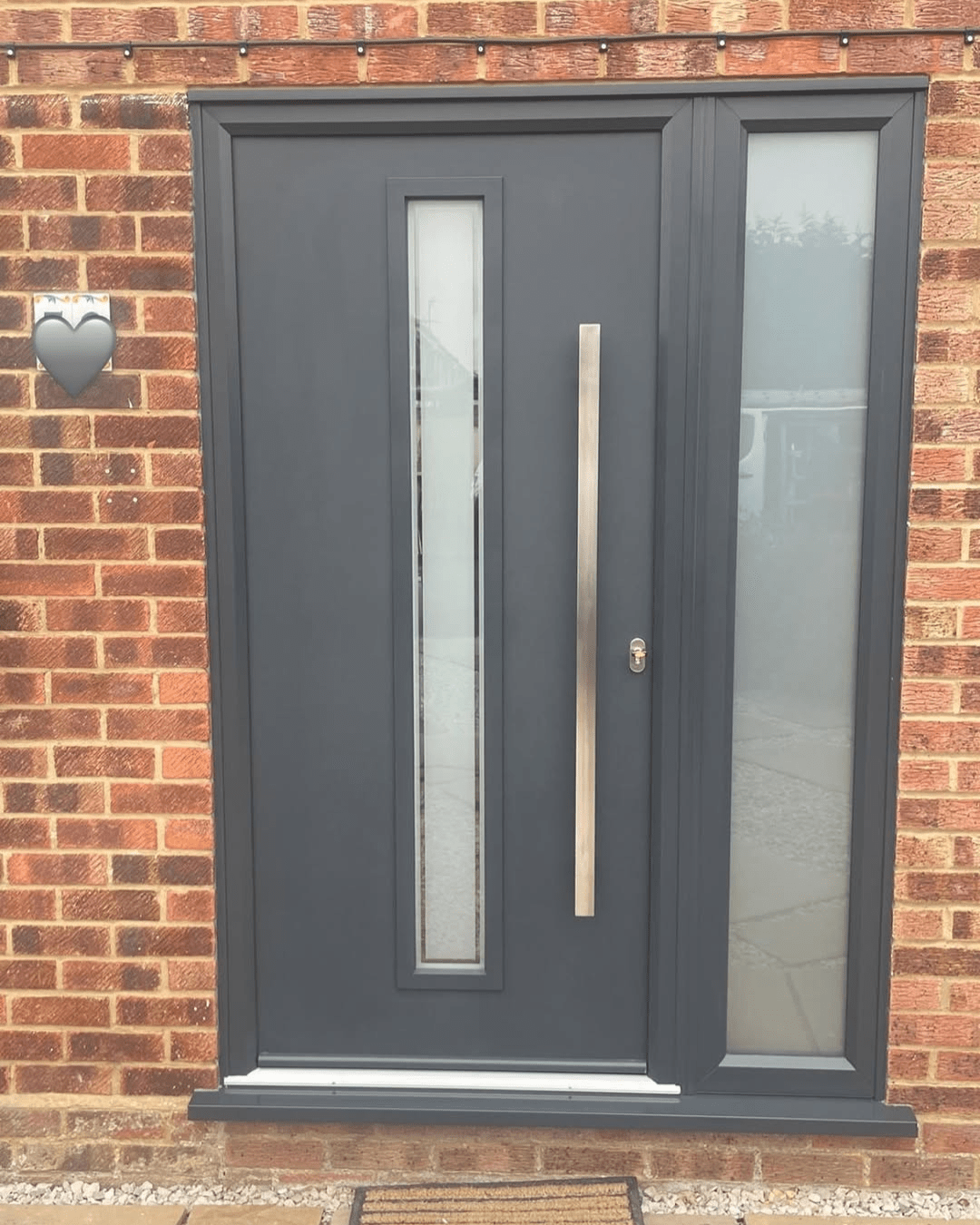
Here, we’ll explore how composite doors contribute to a warmer home and what to consider when choosing the right composite door for your property.
Why Energy Efficiency Matters
With rising energy costs and growing awareness of sustainable living, improving your home’s energy efficiency is more important than ever. A front door and back door are key thermal gateways into your home, and if it’s poorly insulated or not fitted properly, it can let valuable heat escape and allow cold air to seep in.
Investing in a composite door is one of the most effective ways to enhance your home’s thermal envelope. Alongside loft insulation, double glazing and cavity wall insulation, your front door plays an important role in reducing heat loss.
How Composite Doors Help Reduce Heat Loss
A poorly insulated door can be one of the biggest culprits for heat loss in your home. Composite doors combat this in several key ways:
1.Thick, Insulated Core
The high-density core of a Hurst composite door acts as a thermal barrier, helping to keep warm air in and cold air out. This makes a real difference in areas that are harder to heat, such as hallways and entrance spaces. Our composite doors are engineered with a range of energy-efficient features to improve insulation and reduce heat loss, including:
- Multi-chamber frames with seals for enhanced thermal performance
- External gaskets and adjustable hinges that maintain consistent compression to prevent draughts
- Weatherproof thresholds with seals and barriers that minimise airflow around the door
- Double or triple glazing to cut down on heat loss through the glass
Together, these features ensure your home stays warmer, more comfortable, and energy efficient all year round.
2. Precision Fitting
All Hurst doors are made to measure and professionally fitted by a UK wide network of independent installers. A snug fit ensures no gaps around the frame where draughts can creep in.
3. Advanced Seals and Weatherproofing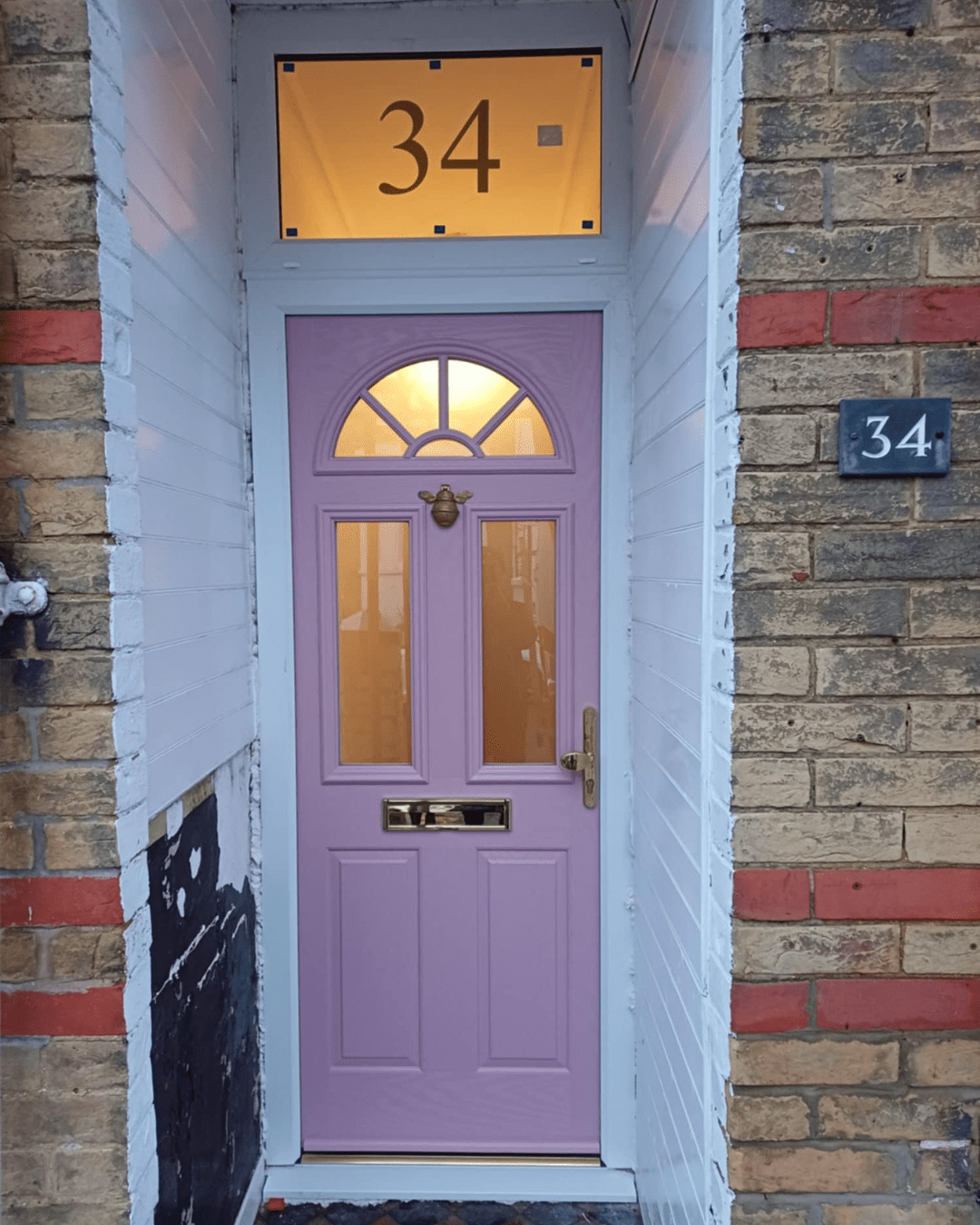
Weather seals and threshold systems prevent drafts, moisture and water ingress, further contributing to a warmer indoor environment. Our doors are tested to high industry standards to withstand the harshest UK weather and have BS:EN 6375 accreditation, signifying that our composite doors have undergone rigorous testing and demonstrates our commitment to high-quality manufacturing and performance standards.
4. Thermally Efficient Glazing
For doors with glass panels, we offer double or triple-glazed options, offering greater energy efficiency, noise reduction and security. This also helps to retain heat.
Read our blog, Choosing the Right Glass for Your Composite Door for more information on how glazing can enhance your composite door’s appearance but also improve its U-value.
What is a U-Value?
U-values measure the rate at which heat transfers through a structure, such as walls, windows and doors. The lower the U-value, the better the insulation. A high-quality solid composite door with no glazing typically has a U-value as low as 1.0 W/Mtr2/K or better, compared to some traditional timber doors which can have U-values over 3.0.
Our composite doors are equal to – or less than – 1.4 W/Mtr2/K when glazed, meaning they are designed to meet or exceed current UK Building Regulations for energy efficiency, helping you stay warm while in your home.
Real-Life Energy Savings
If you’re upgrading from an older door, the difference in warmth can be immediate. This can be especially noticeable after installing a composite door in autumn and winter.
By reducing the strain on your central heating, you could also see a drop in your energy bills. According to the Energy Saving Trust, improving insulation in key areas like doors and windows can contribute to savings of hundreds of pounds per year, depending on the property.
Why Door Choice Matters by Property Type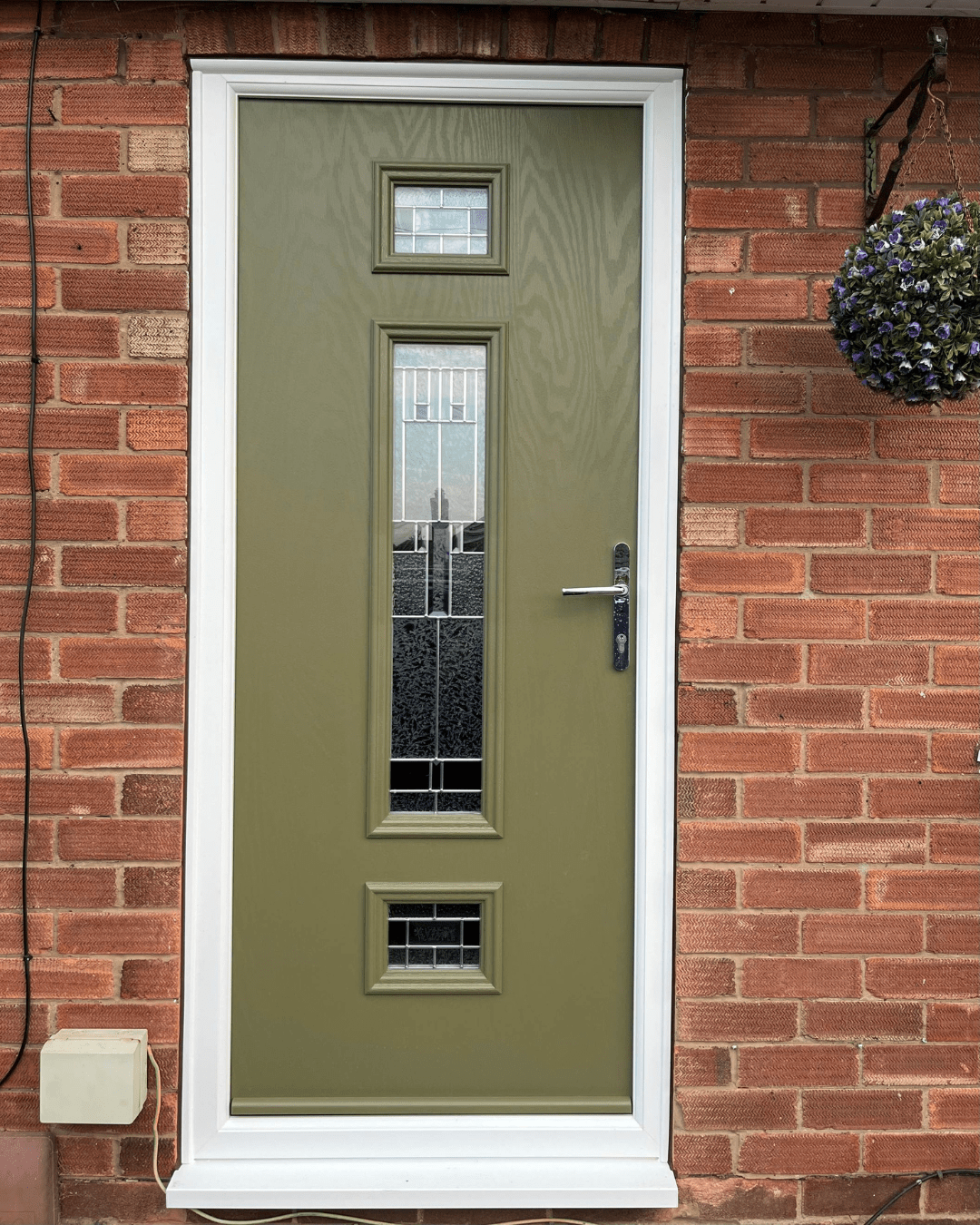
Composite doors are particularly beneficial in older homes that may have single glazing or poor wall insulation. Adding a highly insulated front door can be a cost-effective first step toward improving overall energy performance.
In modern properties, composite doors complement existing insulation standards and offer a secure, stylish and thermally efficient entrance.
For homes with porches or exposed entryways, a composite door can help regulate the internal temperature more effectively and prevent cold spots from forming.
Combining Style and Substance
Choosing an energy-efficient door doesn’t mean reneging style. Hurst offers a wide range of designs, from sleek contemporary looks to traditional styles that suit period homes. Whether you choose a solid door design or a glazed option, all our composite doors are built with thermal performance in mind.
Popular styles that combine insulation with kerb appeal can be found in our Classic, Cottage, Contemporary and Designer composite doors. Browse our full composite door range or explore our door colours to find the perfect finish.
Use the Hurst Door Designer Tool
If you want to visualise how a new composite door could look on your home, try the interactive Door Designer tool. You can experiment with colours, glazing and hardware to suit your property and see how your choices affect the overall aesthetic.
Final Thoughts
So, will a composite door make your house warmer? Absolutely. By significantly reducing heat loss, sealing out draughts and improving energy efficiency, composite doors play a major role in keeping your home warmer and more secure.
Whether you’re renovating or just replacing a tired front door, upgrading to a Hurst composite door is a smart move that delivers on both style and substance. Explore our full composite door range, download our composite door brochure, or to request a quote find your local installer today.
